
Cart 2 india


In2Cart
Rs. 0




Product Information
Specification
BatteriesIncluded : 1
BatteriesRequired : 1
Brand : Micsig
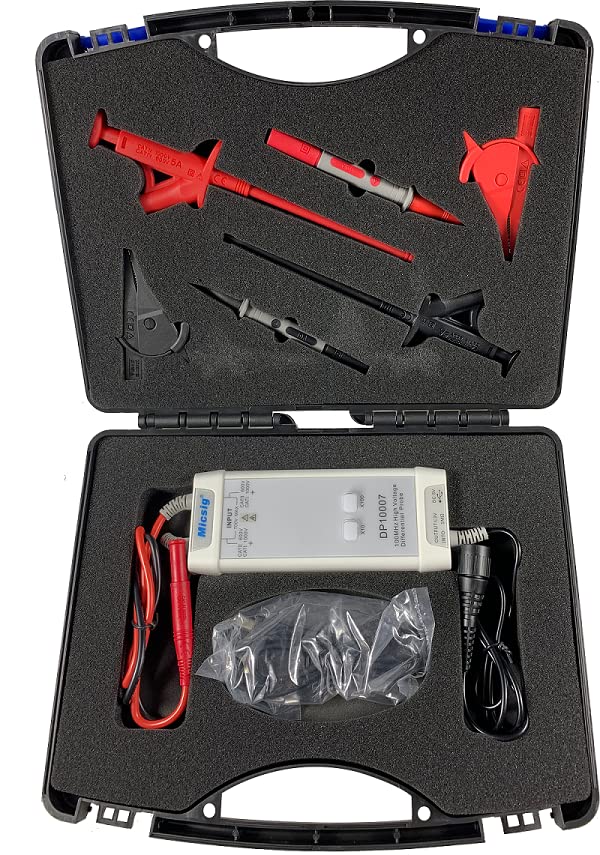
BulletPoint : HVP-15HF High Voltage Oscilloscope Probe / Differential Probe
BulletPoint1 : Light weight and compact size, easy to carry
BulletPoint2 : Powered by USB output (DC 5V) from oscilloscope, apply easily to floating measurements.
BulletPoint3 : Easy self-calibration
BulletPoint4 : No mechanical switches, support self-illuminating button
BulletPoint5 : USB DC power output,convenient for cascading power supply
Color : Multicolored
ItemName : Micsig oscilloscope Votagle probe DP20003/DP10007/DP10013 can be used with any brand of oscilloscope,Easy self-calibration,Powered by USB output (DC 5V) (DP10007)
ItemPackageDimensions_Height : 300 millimeters
ItemPackageDimensions_Length : 350 millimeters
ItemPackageDimensions_Width : 200 millimeters
ItemPackageQuantity : 1
ItemTypeKeyword : oscilloscope-probes
Manufacturer : Micsig Technology Co., Ltd
Material : acrylonitrile_butadiene_styrene
ModelNumber : YM-DP10007
NumberOfBoxes : 1
NumberOfItems : 1
NumberOfLithiumIonCells : 1
NumberOfLithiumMetalCells : 1
PackageLevel : unit
PartNumber : YM-DP10007
Pattern : Oscilloscope and Probes
ProductDescription :
Micsig DP series differential probe
can convert the input high voltage differential signal into single-ended Low-voltage signal, and display through the oscilloscope. Available with low and high attenuation option, the differential measurement voltage can reach up to 700V/ 1300V/5600V.
1)Twisting the input leads together can help reduce noise and improve the probe's high frequency response when measuring signals. Please view the diagram below for an example:
2) Extending the inputleads may introduce more noise during measurement. If extra extension lead is necessary, please ensure the extension leads are of equal length and the input signal frequency is under 10MHz. Otherwise, measurement errors may occur.
3) While measuring a high frequency signal, don't touch the end of the input lead with your hand or other objects. Otherwise, it may affect the accuracy of the measurement.
4) Ensure that you use an oscilloscope with an input impedance of at least 1MΩ and bandwidth of at least 100MHz.
5) Turn on the oscilloscope or externally powered instrument and let the probe and equipment warm up for 20 minutes
6) When a substantial change in temperature or other circumstances affect the accuracy of the probe's zero point, a calibration is needed: shortthe input terminals of the probe, then power the probe while simultaneously pressing the Attenuation Range Buttons/Indicators for three seconds.
ProductSiteLaunchDate : 2023-11-10T13:29:55.646Z
Size : -DP10007
Style : Oscilloscope and Probes
SupplierDeclaredDgHzRegulation : transportation
Wattage : 10 watts
